
How to Cope and Move Forward After the Loss of a Loved One

Loss changes everything, often leaving families unsure of how to move forward while honoring the love they still carry. Families searching for funeral homes Westminster, MD, are often looking for more than arrangements; they want reassurance, understanding, and guidance during a deeply personal time. Grief does not follow a straight path, and allowing space for emotion is an important part of healing.
Coping after loss is not about forgetting or rushing the process. It is about learning how to carry memories while finding moments of steadiness again. Support, patience, and thoughtful guidance can help families feel less alone as they begin to take small steps forward. This approach has long shaped the way Myers-Durboraw Funeral Home supports families with care, respect, and understanding.
Allowing Yourself Time to Grieve
Grief looks different for everyone. Some people feel waves of emotion, while others experience quiet reflection, restlessness, or difficulty focusing. Giving yourself permission to grieve without comparison helps prevent unnecessary pressure. There is no correct timeline, only what feels manageable in each moment. When you notice yourself judging your progress, it can help to return to a simpler question: “What do I need today to get through today?” That small reset can make the days feel less heavy.
Finding Comfort Through Connection
Many people find strength through connection with others, whether through family conversations, shared memories, or quiet companionship. Being present with those who understand your loss can reduce feelings of isolation. Even simple moments of listening or shared silence can bring comfort. If you are trying to understand what supportive grief care can look like in real life, ways funeral homes can help families feel less alone during grief can be reassuring when emotions feel hard to name.
Supporting Children and Loved Ones
Grief can be especially confusing for children and for loved ones who process feelings differently. Honest, age-appropriate conversations help create a sense of safety and trust, even when answers are imperfect. Encouraging questions and acknowledging emotions help children feel seen and supported. It also helps to watch for grief that shows up as behavior changes, trouble sleeping, or extra worry. Small routines, steady reassurance, and patient listening often do more than the “perfect” words ever could.
Creating Meaningful Routines Moving Forward
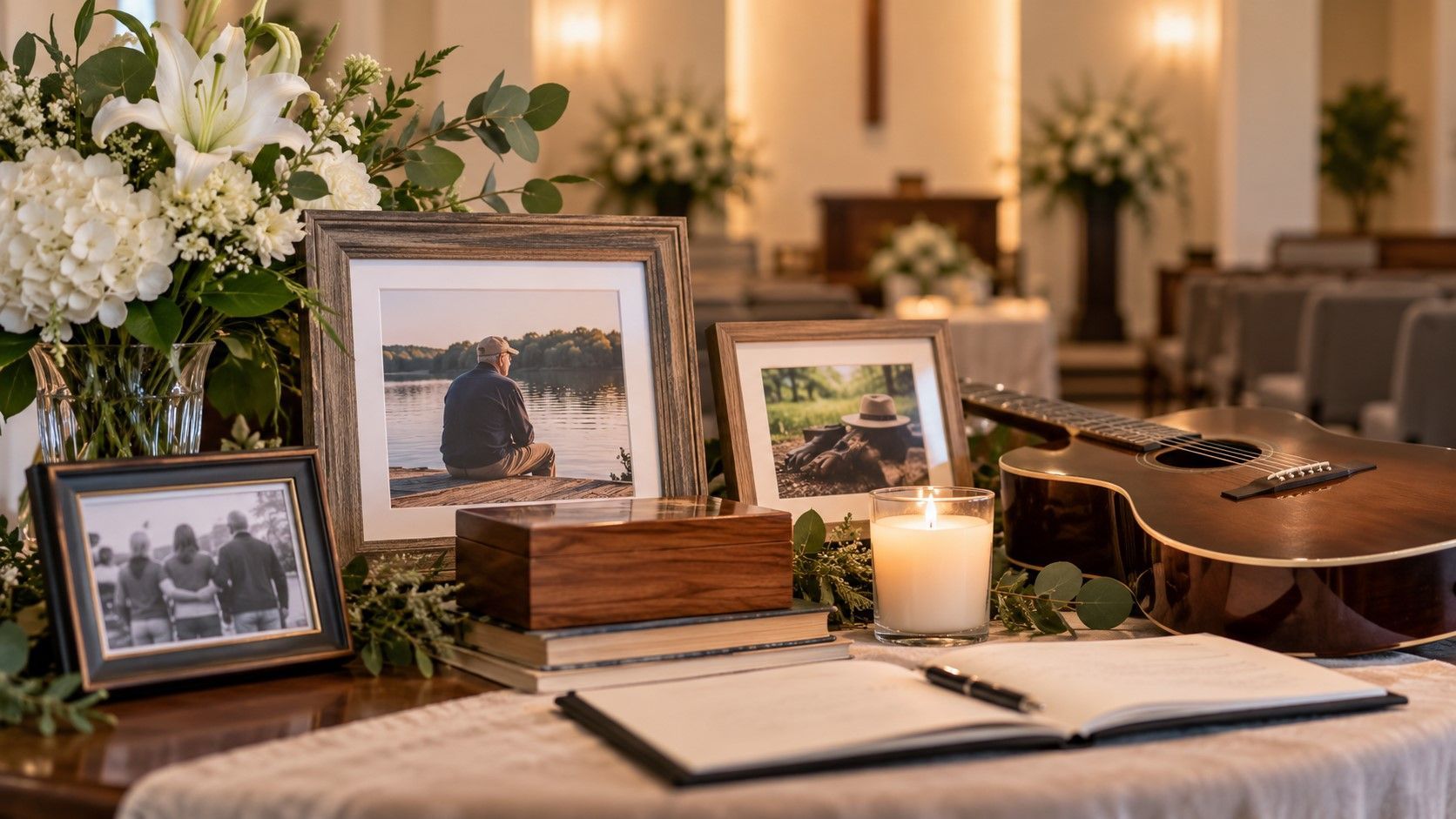
As time passes, establishing small routines can help restore a sense of stability. Simple practices such as journaling, taking a walk, cooking a familiar meal, or setting aside a quiet moment for reflection can bring comfort. Some families also find it helpful to create a shared space for remembrance, like a memory box or a set time to tell stories, because connection makes healing feel less solitary. When families want a gentle way to start important conversations early, the Talk of a Lifetime program can help guide discussions with care and less pressure.
Knowing When to Reach for Extra Support
There is strength in recognizing when grief feels too heavy to carry alone. Support can come in many forms, including trusted friends, faith communities, professional counselors, or local groups where people understand what loss feels like. Some days will feel lighter, and others may hit unexpectedly, especially around anniversaries and milestones. When you give yourself permission to receive support, you create room for healing without feeling like you have to “perform” wellness.
Moving forward after loss does not mean leaving memories behind. It means learning how to live with them in a way that brings meaning and peace. Families seeking support from funeral homes Westminster, MD often value compassion, patience, and guidance they can trust. We invite you to request a no-obligation consultation to talk through your next steps, and you can also find steady guidance through our grief resources as you navigate the days ahead with support from Myers-Durboraw Funeral Home.